

Constructing China's Own Knowledge System of International Relations
Innovating for Independence and Characteristic Development

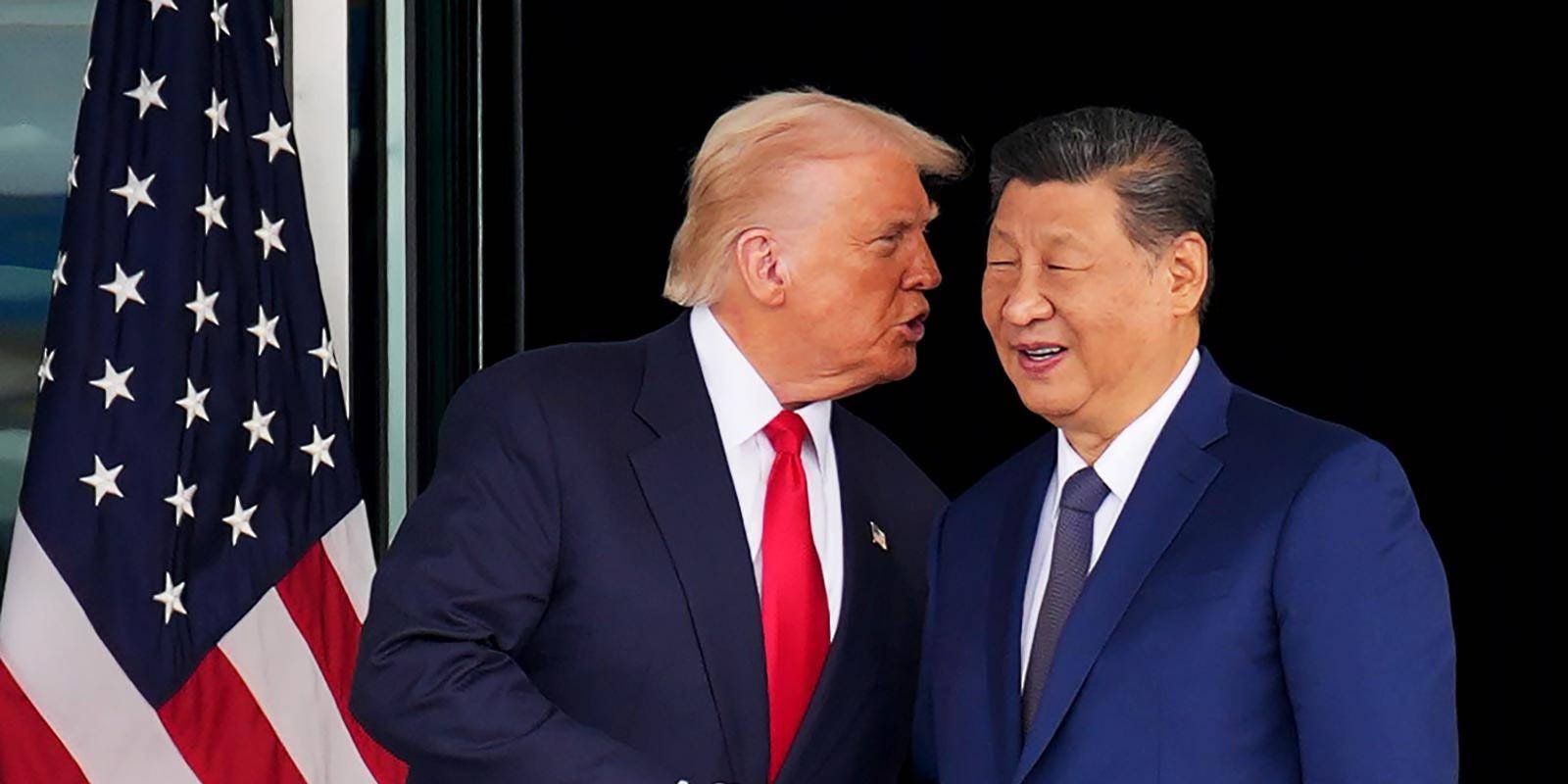
China’s effort to build an independent international relations knowledge system emphasizes the importance of integrating practice with theory.
Wu Zhicheng highlights that systematization involves organizing Xi Jinping Thought on Diplomacy into a coherent framework, forming clear structures and logical layers. This process transforms diplomatic practice into academic theories, promoting methodological innovation and scientific development. Such a cycle ensures that theoretical advancements continually inform diplomatic practice, fostering a dynamic, self-reinforcing system that reflects China’s unique diplomatic ethos.
Developing a Complete and Chinese-Centric Knowledge Framework
According to Wang Xiaoying, establishing this system requires a comprehensive approach that encapsulates China’s diplomatic history, philosophies, major policies, and global impacts. Emphasizing Chinese characteristics, especially in the new era, ensures the knowledge system aligns with China’s national realities and development stages. Liu Qing stresses that China’s distinctiveness, rooted in its cultural and historical context, should underpin the system, with concepts like a community with a shared future for humanity occupying a central role. Innovation remains crucial, as each phase of China’s development has produced unique insights guiding both practice and theory.
Guiding Principles and Theoretical Foundations
Hu Jiping underscores that China’s international relations theories must evolve beyond Western frameworks, grounded in China’s diplomatic realities. Rather than rejecting Western theories outright, China should develop new concepts and methods that address “China-related questions” and reflect changes in the global order. Fu Xiaoqiang advocates for a disciplinary development approach, emphasizing the need for interdisciplinary integration—combining international relations, area studies, and national security—to foster a robust, interconnected academic landscape.
Leveraging Interdisciplinary and Holistic Strategies
Lin Hongyu highlights the importance of a holistic approach, particularly in the realm of national security. This strategy integrates development and security, aligning with the broader goal of constructing an independent knowledge system that supports China’s strategic interests. Such an approach ensures that diplomatic theories remain relevant and adaptable to complex global challenges, reinforcing China’s sovereignty and international influence.
Promoting Global Cooperation and Shared Future
China’s vision for a shared future extends beyond theory into practical cooperation. Huang Renwei points out that the Belt and Road Initiative serves as a platform for building this community, evolving with global changes. Theoretical innovation is essential to sustain practical progress. Chai Yu emphasizes the significance of development cooperation, especially with Latin America, to forge sustainable and mutually beneficial partnerships. Li Kaisheng stresses that neighboring diplomacy rooted in good-neighborly principles is fundamental, fostering responsibility and shared values among nations.
Conclusion
China’s endeavor to construct an independent knowledge system of international relations is a strategic move toward asserting its diplomatic identity. By integrating practice with theory, emphasizing Chinese characteristics, and fostering interdisciplinary innovation, China aims to develop a distinctive, comprehensive framework aligned with its national interests and global ambitions. This approach not only enhances China’s diplomatic effectiveness but also contributes to a more diverse and balanced international relations landscape.